House Cleaning in Modern Homes: Smart Strategies for a Cleaner, Healthier Living Space
House cleaning is more than a chore—it is a practical way to protect your home, support your well-being, and create a space that feels calm and comfortable every day. Whether you live in a small apartment, a busy family home, or a larger property with multiple rooms, a thoughtful approach to house cleaning can save time, reduce stress, and improve hygiene. Today, many homeowners and renters are looking for effective house cleaning solutions that fit busy schedules without sacrificing quality. That is why understanding the basics of house cleaning, routine upkeep, and deep-cleaning methods matters so much.
Modern house cleaning is not just about making surfaces look neat. It is about removing dust, grime, allergens, and bacteria from the places people use most. A clean living environment can also help extend the life of furniture, flooring, appliances, and fixtures. From kitchens and bathrooms to bedrooms and living spaces, the right house cleaning habits make a real difference. If your goal is to keep your home fresh, healthy, and inviting, it helps to know which tasks deserve daily attention and which ones can be scheduled weekly or monthly.
In many households, house cleaning works best when it is broken into manageable steps. Rather than trying to clean everything at once, it is easier to stay on top of chores by following a system. That system can include quick daily tidy-ups, targeted weekly cleaning, and deeper seasonal maintenance. With the right plan, house cleaning becomes less overwhelming and more efficient. House cleaning services can also be a valuable option for homeowners who want professional results or simply need extra support during busy periods.
Why House Cleaning Matters for Every Home
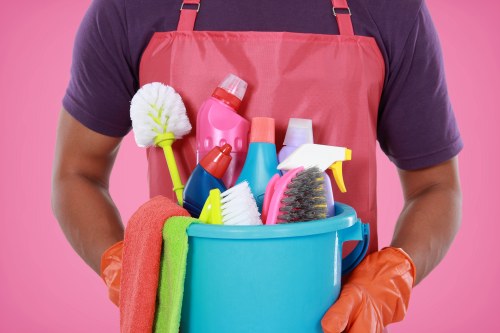
House cleaning plays a major role in maintaining a healthier indoor environment. Dust, pet dander, pollen, and other particles can settle on furniture, carpets, curtains, and vents. Over time, these irritants can affect air quality and make daily living less comfortable. Regular house cleaning helps reduce buildup and creates a fresher atmosphere throughout the home. For families with children, older adults, or allergy-sensitive individuals, consistent cleaning is especially important.
A well-cleaned home also supports mental clarity. Many people find that cluttered or dirty spaces contribute to stress, distraction, and a sense of being behind on responsibilities. By keeping up with house cleaning tasks, you create a more peaceful environment that is easier to relax in. This matters whether you are hosting guests, working from home, or simply trying to enjoy a quiet evening. A tidy house often feels more organized, functional, and welcoming.
Another important benefit of house cleaning is prevention. Dirt, grease, soap scum, mold, and stains are often easier to remove when addressed early. Waiting too long can lead to permanent damage or costly repairs. Routine house cleaning protects surfaces and appliances, helping them last longer and perform better. Regular cleaning can also improve the appearance of your home, making each room look brighter, fresher, and more cared for.
Core House Cleaning Areas That Need Regular Attention

Every home has high-traffic areas that collect dirt faster than others. These spaces should be central to any house cleaning routine. Kitchens, bathrooms, entryways, living rooms, and bedrooms are the most common areas where dust and grime build up. Focusing on these zones helps keep the whole home in good condition. A consistent house cleaning routine should address both visible messes and hidden buildup in corners, under furniture, and around fixtures.
Kitchen cleaning is often one of the most important tasks because this is where food prep happens. Counters, sinks, stovetops, and floors can quickly collect crumbs, grease, and bacteria. Bathrooms also require special care due to moisture, soap residue, and frequent use. Bedrooms benefit from dusting, vacuuming, and linen changes, while living rooms usually need attention for upholstery, surfaces, and floors. Entryways are another priority because shoes and outdoor debris can bring in dirt from outside.
To stay organized, many people divide house cleaning into categories. For example, surface cleaning includes wiping counters and tables, while floor care includes sweeping, vacuuming, and mopping. Detail cleaning may involve baseboards, light switches, ceiling fans, and window sills. By separating tasks, you can approach house cleaning in a more structured and efficient way. This also makes it easier to spot areas that need deep cleaning rather than a simple wipe-down.
Daily, Weekly, and Monthly House Cleaning Tasks
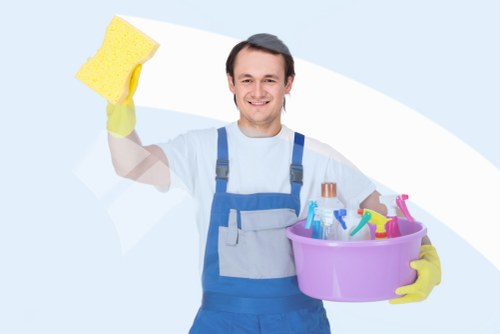
One of the smartest ways to handle house cleaning is to build a schedule based on frequency. Some tasks should happen every day, while others can be done weekly or monthly. Daily house cleaning tasks are usually quick and include making beds, wiping kitchen counters, washing dishes, taking out trash, and putting items back in place. These small actions prevent mess from building up and make the home easier to manage overall.
Weekly house cleaning tasks usually go a bit deeper. This may include vacuuming carpets, mopping hard floors, cleaning bathrooms, dusting furniture, sanitizing sinks, and changing bed sheets. Weekly routines are the backbone of most household maintenance plans because they keep dirt under control before it becomes a bigger issue. A structured weekly schedule also helps distribute responsibilities more evenly across the household. Routine house cleaning becomes much easier when everyone knows what needs to be done.
Monthly tasks focus on areas that do not need constant attention but still matter a lot. These may include cleaning inside appliances, washing windows, wiping cabinet fronts, deep-cleaning upholstery, and dusting ceiling fans or vents. Seasonal tasks may involve more detailed work, such as cleaning behind furniture, organizing storage spaces, and refreshing carpets. A balanced schedule helps support both appearance and hygiene while reducing the stress of last-minute cleaning efforts.
Effective House Cleaning Techniques for Better Results
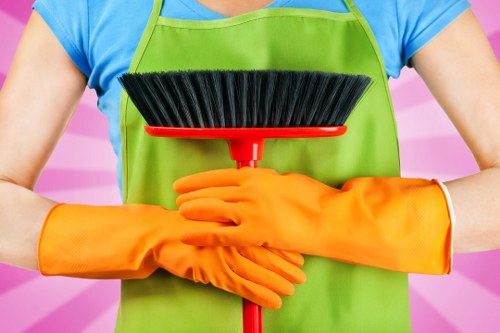
Good house cleaning is not just about effort—it is also about method. Using the right techniques can save time and produce better results. One of the most effective approaches is to clean from top to bottom. This means starting with ceiling fans, shelves, and higher surfaces before moving to lower areas and floors. That way, dust and debris fall downward and are cleaned up later instead of being redistributed.
Another smart technique is to clean from dry to wet. For example, dusting and vacuuming should usually happen before mopping or wiping with liquid cleaners. This helps prevent muddy residue and improves overall efficiency. It is also useful to work from one side of a room to the other so that nothing gets missed. This kind of system makes house cleaning feel more manageable and less random. Efficient cleaning methods are especially helpful in large homes or homes with multiple occupants.
Using the correct tools matters too. Microfiber cloths are excellent for dusting and wiping because they trap particles instead of spreading them around. A vacuum with different attachments can reach baseboards, corners, and upholstery. A mop suited to your flooring type will help protect surfaces while removing dirt effectively. When possible, choose cleaning products that match the material being cleaned. This prevents damage and makes house cleaning safer and more effective in the long run.
Choosing the Right Supplies
The right house cleaning supplies can make every task easier. Common essentials include all-purpose cleaner, glass cleaner, disinfectant, microfiber cloths, a broom, a vacuum, a mop, scrub brushes, sponges, gloves, and trash bags. Some homes may also benefit from specialized products for wood, stone, stainless steel, or tile. Having supplies ready in one place helps you move through house cleaning tasks without unnecessary interruptions.
It is also helpful to store supplies safely and keep them organized. A cleaning caddy or utility basket can hold the items you use most often. This is especially useful when moving from room to room. If you prefer a more eco-conscious approach, you may choose non-toxic or low-scent alternatives that are gentler on indoor air quality. The right supplies make house cleaning more efficient and less frustrating.
For households with pets or young children, product selection becomes even more important. In these homes, many people prefer gentle formulas and careful storage of chemicals. The best house cleaning routine is one that supports cleanliness without creating unnecessary exposure to harsh substances. A practical approach balances effectiveness, safety, and convenience.
Room-by-Room House Cleaning Priorities
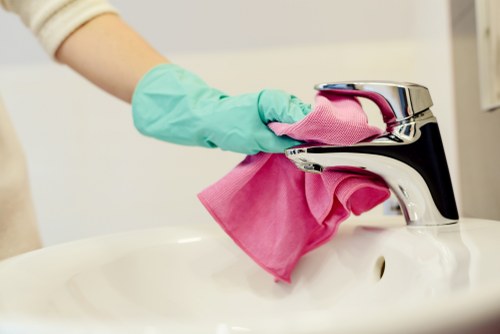
Different rooms require different house cleaning priorities. In the kitchen, sanitation is the top concern. Food preparation areas should be wiped daily, sinks should be cleaned regularly, and floors should be free from crumbs and spills. Appliances such as microwaves, ovens, and refrigerators also benefit from scheduled cleaning. A clean kitchen not only looks better but also supports safer food handling and less odor buildup.
Bathrooms require moisture control and disinfecting. Sinks, toilets, tubs, showers, mirrors, and floors all need routine attention. Soap scum, mildew, and water spots can form quickly, so keeping up with bathroom house cleaning helps prevent unpleasant buildup. Proper ventilation and dry surfaces are also important, especially in smaller bathrooms where humidity can linger. Bathroom cleaning is one of the most important parts of any home maintenance plan.
Living rooms and family rooms usually need dusting, vacuuming, and surface care. Upholstery, rugs, coffee tables, entertainment centers, and decorative items can gather dust over time. Bedrooms should focus on bedding, under-bed dust, and clutter control. Hallways and stairs are easy to overlook, but they often collect dirt from repeated traffic. Each room benefits from targeted house cleaning based on how it is used.
High-Touch Areas to Sanitize
High-touch spots deserve extra attention in house cleaning routines. These include light switches, doorknobs, cabinet handles, remote controls, faucet handles, appliance buttons, and railings. Because these areas are touched many times a day, they can collect germs quickly. Sanitizing them regularly helps support a healthier home environment and is particularly helpful during cold and flu season.
When cleaning these surfaces, it is useful to use a product that is safe for the material and effective for disinfection. A careful routine helps keep household contact points fresh and hygienic. Although these tasks may seem small, they are an important part of professional-style house cleaning and can make a noticeable difference in overall cleanliness.
Deep House Cleaning: When and Why It Is Needed
Deep house cleaning goes beyond regular tidying and surface maintenance. It targets the areas that are often overlooked during daily or weekly cleaning. This includes behind appliances, under furniture, inside cabinets, along baseboards, inside trash bins, and around vents. Deep house cleaning is especially useful before moving, after renovations, during seasonal changes, or whenever a home has been neglected for some time.
One of the main benefits of deep house cleaning is that it removes hidden buildup. Dust, grease, and grime often accumulate in places that are not obvious at first glance. Over time, that buildup can affect appearance and hygiene. Deep cleaning helps restore the home to a fresher condition and can make routine cleaning easier afterward. It is also a chance to reorganize items, declutter storage spaces, and inspect areas that may need repair or maintenance.
Many people choose to schedule deep house cleaning a few times a year. This can be done one room at a time or as a full-home project depending on the size of the property. Some homeowners also hire professional house cleaning services for deep-cleaning tasks because the work can be time-consuming and physically demanding. If you are aiming for a truly refreshed space, deep cleaning is an excellent investment in your home’s upkeep.
Seasonal House Cleaning Tips
Seasonal cleaning is a practical way to keep your home in top shape throughout the year. In spring, people often focus on windows, vents, closets, and dust-heavy areas. Summer may be a good time to clean outdoor entryways, rugs, and patio spaces. Fall house cleaning often involves preparing the home for more indoor living, while winter cleaning can prioritize sanitizing high-traffic areas and maintaining freshness during closed-window months.
A seasonal plan can also support better organization. You might rotate storage items, donate unused belongings, and review the condition of linens, curtains, and décor. By linking house cleaning to seasonal changes, you create a natural rhythm that supports long-term home care. This approach keeps tasks from piling up and helps your space stay manageable all year.
House Cleaning for Busy Households
Busy households often need a flexible approach to house cleaning. Between work, school, sports, errands, and family responsibilities, it can be difficult to keep up with every task. That is why short, consistent routines are often more effective than occasional long cleaning sessions. Ten to fifteen minutes of focused house cleaning each day can make a surprising difference in how a home looks and feels.
Delegating tasks is another practical strategy. When everyone contributes, house cleaning becomes more manageable and less stressful for one person. Children can help with age-appropriate chores such as putting away toys, wiping surfaces, or carrying laundry. Adults can rotate deeper tasks like vacuuming, bathroom cleaning, and floor care. A shared routine creates accountability and helps maintain a cleaner household with less friction.
For especially busy families, professional house cleaning can be a smart solution. Hiring help for routine upkeep or periodic deep cleaning allows you to focus on other priorities while still enjoying a well-maintained home. Whether you choose to do it yourself or bring in support, the goal is the same: a cleaner, healthier, and more livable environment. House cleaning services can provide consistency when time is limited.
Simple Habits That Prevent Mess
Small habits can prevent bigger cleaning challenges later. For example, wiping spills immediately keeps stains from setting in. Taking off shoes at the door reduces dirt tracked across floors. Putting items away after use keeps clutter from spreading. These simple actions support house cleaning efforts and can reduce the amount of time needed for major chores.
Creating “reset” moments at the end of each day is another helpful habit. A quick evening tidy-up can prepare the home for the next morning and make daily life feel more organized. The more these habits become routine, the easier house cleaning becomes overall.
Professional House Cleaning vs. DIY Cleaning
Many homeowners wonder whether they should handle house cleaning themselves or hire professionals. The answer depends on time, budget, cleaning goals, and the condition of the home. DIY house cleaning can be cost-effective and gives you full control over products and timing. It is ideal for routine upkeep and for people who prefer to manage chores personally. However, it can be challenging to maintain consistently, especially in larger homes.
Professional house cleaning offers convenience and often delivers a deeper level of cleanliness. Trained cleaners typically work efficiently and know how to handle different surfaces, stains, and room types. This can be especially valuable for move-in cleaning, move-out cleaning, post-renovation cleanup, or seasonal deep cleaning. Many households use a mix of DIY maintenance and professional support to get the best of both worlds.
If you are deciding between the two, think about your priorities. Do you need more time, better consistency, or help with heavy tasks? Would regular support make your week easier? Professional help can take pressure off your schedule, while personal cleaning routines keep day-to-day maintenance under control. Either way, the right house cleaning approach should fit your lifestyle and your home’s needs.
How to Make House Cleaning Feel Less Overwhelming
House cleaning becomes easier when the workload is broken into smaller parts. Instead of thinking about the entire house at once, focus on one room or one task at a time. This reduces mental resistance and helps you make progress more quickly. A checklist can also be useful because it turns vague goals into clear action steps.
Another effective method is to set a timer. Cleaning for even 20 minutes can create momentum and help you accomplish more than expected. Pairing house cleaning with music, podcasts, or a favorite playlist can also make the process feel more enjoyable. The key is to stay consistent rather than perfect. A home does not need to be spotless every moment, but it should be regularly cared for.
Stay consistent, stay organized, and keep your home looking its best. If your home could use a reset, now is the time to take action. Contact us today to explore your options, or book your service now if you want reliable support with house cleaning. A cleaner home is always worth the effort, and the right approach can help you enjoy lasting results with less stress.