Insurance and Safety
 Our insurance and safety approach is built to protect people, property, and projects at every stage. Whether work takes place on-site or in a managed environment, we place equal importance on public liability insurance, practical staff training, suitable PPE, and a structured risk assessment process. These measures help reduce disruption, support compliance, and create a safer experience for everyone involved.
We understand that safety is not a single action; it is an ongoing commitment. That is why our insurance and safety policy is designed to be proactive rather than reactive. By combining the right cover with clear procedures, we aim to minimise avoidable incidents and respond quickly and responsibly when circumstances change.
Our public liability insurance provides essential protection in the event of accidental damage or injury linked to our operations. This coverage is an important part of our wider insurance and safety management, giving clients and stakeholders confidence that risk is being handled responsibly. It also supports a professional standard of working that prioritises accountability and care.
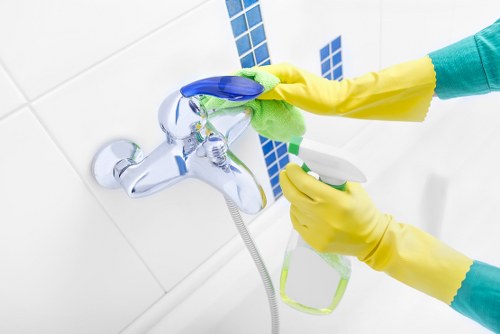 Every member of staff receives role-specific staff training to ensure they understand the correct procedures for their tasks. Training covers safe working methods, incident reporting, emergency response, equipment handling, and site awareness. We believe that well-trained teams form the foundation of effective safety insurance practices, because knowledge reduces mistakes and improves decision-making under pressure.
Our training process is reviewed regularly so that it remains relevant to current risks and operational needs. New starters are inducted before beginning work, while experienced team members receive updates when procedures, equipment, or regulatory expectations change. This continuous approach helps reinforce a strong culture of insurance and safety compliance across the business.
 The correct use of PPE is another essential part of our safety framework. Depending on the task, this may include gloves, high-visibility clothing, safety footwear, eye protection, hearing protection, or respiratory equipment. PPE is selected based on the specific environment and hazards involved, ensuring that our insurance and safety measures are matched to real-world conditions rather than used as a one-size-fits-all solution.
We also place strong emphasis on maintaining and checking PPE before use. Damaged or unsuitable items are replaced promptly, and staff are encouraged to report concerns without delay. This attention to detail supports both personal protection and overall operational reliability, which is central to effective safety and insurance planning.
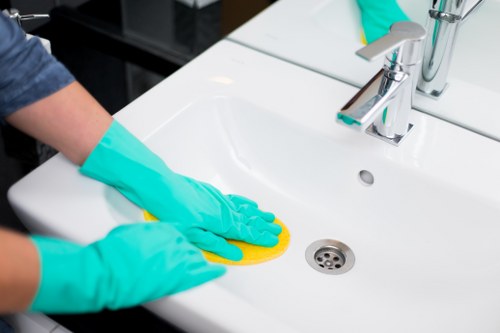 Our risk assessment process is designed to identify hazards early and reduce the likelihood of harm. Before any activity begins, we assess the work area, the task, the equipment, and the people involved. We then consider the potential severity of each risk and determine the most appropriate control measures. This may include changing the method of work, restricting access, improving supervision, or introducing additional PPE.
Risk assessments are documented, communicated, and reviewed as conditions evolve. If something changes during a project, the assessment is updated so that controls remain effective. This dynamic approach is a key part of our insurance and safety strategy, because a well-managed risk assessment process helps prevent accidents before they happen.
 In practice, our combined focus on public liability insurance, training, PPE, and risk assessment helps us maintain high standards across all activities. Each element supports the others: insurance provides financial protection, training builds competence, PPE adds a physical layer of defence, and risk assessments guide safe decisions. Together, they form a practical and dependable system for managing everyday hazards.
We also encourage a culture where safety is everyone’s responsibility. Staff are expected to follow procedures, use equipment correctly, and raise concerns if they notice unsafe conditions. This shared commitment strengthens our insurance and safety procedures and helps maintain a workplace where risks are identified early and managed effectively.
By putting these measures at the centre of our operations, we can deliver work with confidence and professionalism. Our commitment to insurance and safety reflects a broader goal: protecting people, reducing risk, and ensuring that every project is approached with the care it deserves.